
Plinko Casino Australia: Guide to Playing in 2026

Before you pick a Plinko casino to play at in 2026, it helps to see how the licensing, bonuses and deposit terms stack up across the options available to Australian players.
License: Curacao · Bonus: up to A$2,000 Operates under a Curacao licence and offers a welcome bonus of up to A$2,000, giving newcomers a decent bankroll boost to explore Plinko with.
License: Curacao Gaming Control Board OGL/2023/176/0095 (Hollycorn N.V.) · Bonus: up to A$5,000 + 300 free spins across 4 deposits Licensed by the Curacao Gaming Control Board under Hollycorn N.V., with a generous welcome package of up to A$5,000 plus 300 free spins spread across four deposits.
License: international iGaming licence – jurisdiction not named in the source · Bonus: 100% up to A$1,000 + 100 free spins, 35x wagering · Payout speed: PayID 1-24 hours · Min. deposit: A$30 (PayID from A$10) Holds an international iGaming licence and pairs a 100% match bonus up to A$1,000 with 100 free spins under 35x wagering; PayID withdrawals land within 1-24 hours, and deposits start from A$30 (or A$10 via PayID).
License: Curacao Gaming Control Board OGL/2023/174/0082 (Dama N.V.) · Bonus: up to A$5,000 + 300 free spins across 4 deposits Licensed by the Curacao Gaming Control Board under Dama N.V., offering up to A$5,000 in bonus funds plus 300 free spins across four deposits.
License: Curacao eGaming OGL/2024/923/0383 (Antillephone N.V.) · Bonus: up to A$2,000 + 100 free spins across 2 deposits · Min. deposit: A$30 Regulated by Curacao eGaming under Antillephone N.V., with a welcome offer of up to A$2,000 plus 100 free spins over two deposits and a A$30 minimum deposit.
License: Curacao eGaming (Dama N.V.) · Bonus: up to A$10,000 + 180 free spins, 40x wagering Licensed through Curacao eGaming under Dama N.V., standing out with a substantial bonus of up to A$10,000 plus 180 free spins under 40x wagering.
License: Curacao Gaming Control Board OGL/2023/176/0095 (Hollycorn N.V.) · Bonus: up to A$11,000 + 300 free spins (code NEO100) Holds a Curacao Gaming Control Board licence via Hollycorn N.V. and offers a sizeable bonus of up to A$11,000 plus 300 free spins when using the code NEO100.
Bonus: 240% up to A$4,100 + 300 free spins Stands out for a large 240% match bonus up to A$4,100 plus 300 free spins, giving players plenty of extra credit to try out Plinko.
License: Curacao (operating since 2017) · Bonus: 250% up to A$2,000 + 50 free spins on the first of six deposits · Min. deposit: A$20 A Curacao-licensed operator running since 2017, offering a 250% bonus up to A$2,000 plus 50 free spins on the first of six deposits, with a low A$20 minimum deposit.
Bonus: 100% up to A$750 + 200 free spins, 35x wagering · Payout speed: crypto 30-120 minutes, fiat 24-72 hours · Min. deposit: A$30 Offers a 100% bonus up to A$750 plus 200 free spins under 35x wagering, with fast crypto payouts of 30-120 minutes or fiat within 24-72 hours and a A$30 minimum deposit.
Table of Contents
- Plinko Slots: What You Need to Know About the Game’s Online Variants
- Playing Plinko Online: Platforms, Technology, and Availability
- Real‑Money Plinko: How to Play for Cash in Australia
- Different Plinko Game Formats and How They Work
- Which Casinos Offer Plinko? From Traditional Venues to Crypto Platforms
- Plinko Casino Reviews: What Players Say and What to Watch For
- Understanding the Plinko Casino Landscape in Australia 2026
- Free Play and Demo Options: Trying Plinko Without Spending
- Plinko and Cryptocurrency: Opportunities and Legal Gray Areas
- Common Pitfalls and Bonus Traps When Playing Plinko
Plinko Slots: What You Need to Know About the Game’s Online Variants
I used to think Plinko was just that board on the American game show, the one with the disc dropping through pegs. Turns out half the internet thinks the same thing when they search for a "plinko slot machine" and land on something that looks nothing like a five-reel pokie. That mismatch is the first thing worth clearing up, because it shapes everything else about how these games get built and marketed in Australia.
Plinko, in its casino form, isn’t a slot in the traditional sense. There’s no reel, no payline, no scatter symbol triggering a bonus round. You drop a ball (or several) from the top of a pegged board, physics and randomness decide where it lands, and the slot at the bottom pays out a multiplier. That’s the whole mechanic. But because it’s marketed alongside pokies, listed in the same lobbies, and searched for using the same language people use for slots, it’s ended up filed under "slot" in most people’s heads, mine included, for longer than I’d like to admit.
Why it gets lumped in with pokies
Slot games are the dominant category on most Australian online casino sites, and pokies culture here runs deep enough that anything with flashing lights and a drop mechanic gets called a slot by default. New South Wales alone has something like 95,800 poker machines sitting in pubs and clubs, and the Central Coast region carries 4,672 of them — about 2.37% of the country’s total. Gosford has roughly one pokie per 71 adults. Wyong is denser still, about one per 47 adults. When you grow up around that density of machines, every new gambling format gets measured against the pokie template, and Plinko didn’t escape that.
Australia holds around 3% of the world’s pub and club poker machines despite being just 0.3% of the global population. That’s not a Plinko statistic, but it’s the backdrop that explains why. This is a market where slot-adjacent games get absorbed into the culture fast, and where "online pokies" has become the catch-all term for anything reel-shaped or drop-shaped that takes a bet and returns a multiplier.
What actually makes Plinko different from a slot

Here’s where I’ll be blunt: if you’ve played pokies for years and you sit down expecting Plinko to behave the same way, you’ll be confused for the first ten minutes. A few structural differences matter:
- No paylines or symbols. A slot resolves a spin by matching symbols across paylines. Plinko resolves a drop by where a ball physically lands among a row of multiplier slots. There’s nothing to “match.”
- Risk is chosen upfront, not built into the reel. Most Plinko variants let you set a risk level (low, medium, high) before you drop, which changes how the multipliers are distributed across the board — low risk clusters modest multipliers near the middle, high risk pushes extreme multipliers to the edges with more chance of landing near the low end. A slot doesn’t offer that kind of pre-spin control.
- The board is fixed, the outcome isn’t. In a slot, the reels themselves are the variable. In Plinko, the board layout stays the same round to round; what changes is the ball’s path, generated fresh each drop.
- No bonus rounds in the pokie sense. Slots lean on free spins, wilds, multipliers stacked through bonus features. Plinko’s “bonus” is really just the base mechanic repeated — there’s no separate feature to unlock.
None of that makes Plinko better or worse than a pokie. It just means the skills and instincts you build playing five-reel slots don’t transfer cleanly. I learned that the expensive way, assuming a "hot streak" on the board meant something, when really each drop is independent.
The RNG behind the ball drop

Whether you’re playing a spinning-reel pokie or a Plinko board online, the outcome comes from the same underlying tech: a Random Number Generator. Online casino software uses RNGs that are regularly audited by independent testing agencies, and Plinko titles run on that same infrastructure. The ball’s path looks physical, like it’s bouncing off pegs the way a real disc would, but the actual landing slot is determined by the RNG before the animation even plays. The bouncing you watch is cosmetic. The math happened instantly.
The RNG animation you see is just a visual – the actual outcome is generated by a random number generator before the ball even starts moving.
This matters because it’s easy to look at a Plinko board and think you’re watching genuine physics unfold, the kind where a slight tilt or bounce pattern might be "read." You’re not. It’s the same RNG logic sitting under every online pokie, dressed up in a different visual shell. Knowing that changed how I watched the drop animation — less like a live event, more like a slot reel that happens to look like a pinball machine.
The variants you’ll actually run into
Search around and you’ll find a handful of named Plinko titles circulating on Australian-facing platforms — Gods of Plinko, Plinko Rush, and a general "Plinko" build that some providers ship as a standalone title, alongside branded takes from providers like Pragmatic Play. I’m not going to pretend I’ve got verified RTP figures or volatility ratings for each of these to hand you, because the honest answer is that operators and providers don’t publish that breakdown consistently, and I’d rather tell you that than invent a number that looks convincing on the page. What I can tell you is that the format stays consistent across variants: a board, a risk setting, a multiplier payout. The branding changes more than the mechanic does.
Where the variants actually differ, in my experience clicking through demos, is the visual theme and the granularity of risk settings — some offer three risk tiers, others give you more control over the number of rows on the board, which changes how many multiplier slots you’re dropping toward. More rows generally means a wider spread between the safest and riskiest outcomes, but I’m not going to attach a specific multiplier range to that because I haven’t seen it documented anywhere reliable enough to repeat as fact.
Demo mode: worth using before anything else
Many slot games, Plinko included, can be played in demo mode with virtual funds, and if you’re coming to this fresh I’d start there regardless of what the marketing around a title promises. It won’t tell you anything about long-term return, but it will tell you whether the board’s pacing and risk settings feel like something you want to sit with. I spent longer in demo mode than I care to admit before risking a cent, mostly because the drop animation is oddly hypnotic and I wanted to make sure that wasn’t the only reason I liked it.
Why the "slot" label sticks anyway
Realistically, Plinko is going to keep getting called a slot in casual conversation and in search habits, because that’s the mental shelf Australians have for this kind of game. The pokies culture here is enormous — tens of billions wagered through electronic gaming machines in a single financial year, with player losses running into the billions — and anything that drops, spins, or bounces for a payout gets sorted into that same category by habit. Plinko earned its own name on a game show decades ago, but online, it’s living in the pokies aisle whether it technically belongs there or not.

That’s fine, honestly. Call it what you want. Just don’t walk in expecting reel logic, because the board doesn’t care what you call it either.
Playing Plinko Online: Platforms, Technology, and Availability

Here’s the thing nobody tells you when you first go looking for Plinko online: there’s no single "home" for it the way there is for, say, blackjack. It shows up scattered across offshore casino sites, bundled in with the pokies and the table games, usually under some category like "instant win" or "crash games" that tells you nothing until you click through. I spent a fair amount of time doing exactly that click-through, expecting something closer to the TV version, and got a screen full of pegs and a ball drop instead. Different game entirely, wearing the same name.
The reason it’s everywhere now comes down to something pretty basic: online casino platforms have gotten a lot better at pushing out new game types quickly, and Plinko is cheap and simple to build. According to one industry overview I came across, the number of online casino sites offering games like this — including operators positioning themselves toward Australian players — has been climbing steadily. I’d take that with a grain of salt as a hard number, because it’s one source talking about a market that shifts month to month, but it lines up with what you notice just by browsing: five years ago Plinko barely showed up as a category, now it’s on the front page of half these sites.
RNG or live — and why it matters more than you’d think
Every Plinko variant online falls into one of two buckets. Either it’s running on a Random Number Generator, or it’s a live-dealer stream where you’re watching an actual physical (or physically simulated) board drop the ball in real time.
The RNG version is what you’ll hit most often. The software generates the outcome instantly, no waiting, no stream buffering. What I didn’t appreciate early on is that this RNG isn’t just "trust me it’s random" — legitimate platforms run these generators through independent testing agencies that audit them on a regular basis. That auditing is the whole reason RNG-based games are considered fair rather than rigged in the operator’s favour. If a site can’t point to that kind of independent testing, that’s your answer right there — walk away.
Live-dealer Plinko is rarer but does exist, streamed with a real host running the drop in real time, which gives you that immersive, "watching it actually happen" feeling instead of a screen animation. I’ll be honest, the first time I found one I assumed it’d feel gimmicky. It didn’t — there’s something different about watching a human drop the ball versus trusting a number generator you can’t see. Whether that’s worth seeking out is personal preference more than anything else.
What "availability" actually looks like
This is where I need to be straight with you rather than vague. There are no domestically licensed real-money online casino operators available to Australian players — not for Plinko, not for pokies, not for anything in that category. The platforms offering Plinko to Australians are operating from offshore, typically under licences like Malta’s or the UK’s, not an Australian one, because no Australian licence for this kind of game exists to be granted.
Legal Risk
Playing real‑money Plinko in Australia is not illegal for you, but the operators are offshore and unregulated locally, so you have no Australian consumer protection.
That’s not me telling you it’s illegal for you to play. It isn’t — the law here targets the operators providing the games, not the individual sitting at home clicking the button. But it does mean the usual advice you’ll read elsewhere — "check the operator’s licence with the local regulator" — doesn’t really apply the way it does for, say, sports betting. There’s no Australian public register of licensed online casino operators to check against, because the category isn’t licensed here at all. Any licence you do see in a footer is a foreign one, and it’s worth knowing that going in rather than assuming otherwise.
Platform mechanics worth knowing before you sign up
A few practical things I wish someone had spelled out for me before I started clicking around different sites:
- Demo access varies by platform — some let you drop balls with play money before you register, others gate it behind an account.
- RNG audits should be disclosed somewhere on the site — if you can’t find any mention of independent testing, that’s a gap worth noting, not ignoring.
- Live-dealer availability is inconsistent — plenty of sites that list Plinko only offer the RNG version, not the streamed one, despite how the lobby thumbnail might make it look.
- Bonuses tied to Plinko come with strings — wagering requirements, restrictions on which games count toward clearing them, and expiry dates that can kill a bonus before you’ve touched it. I’ve had a “free” bonus die quietly in my account because I didn’t read the expiry date. Read it first.

None of this is exotic stuff — it’s the same groundwork you’d do for any online casino game. But Plinko gets treated as a throwaway, low-stakes curiosity because the interface looks so simple, and that’s exactly when people skip the checking they’d normally do. The board looks like a toy. The account behind it isn’t.
Real‑Money Plinko: How to Play for Cash in Australia
Here’s the part nobody wants to explain properly, so let me try.
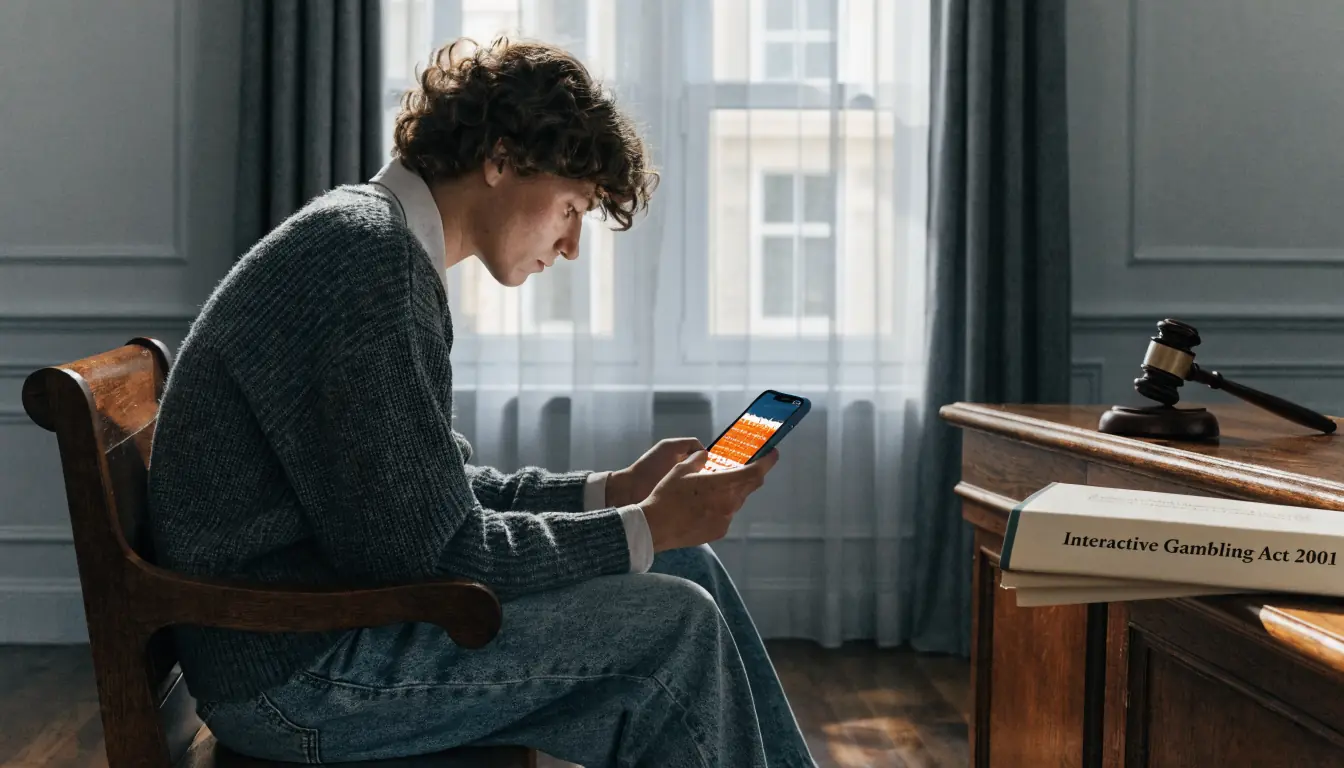
You can’t get a real-money Plinko game from an Australian-licensed online casino, because that casino doesn’t exist. There’s no domestic licence for online slots, live-dealer games, or anything that looks like a casino you’d find on the Gold Coast. The Interactive Gambling Act 2001 is the law that governs this, and it prohibits Australian operators from offering online casino-style games — slots, poker, blackjack, roulette, and yes, Plinko falls into that same bucket even though it wasn’t exactly what lawmakers had in mind back then.
I’ll flag something here rather than pretend it’s settled: some sources cite this law as the Interactive Gambling Act 1997, others as the 2001 version. I’ve seen both dates used for the same prohibition. I’m not going to guess which one is "more correct" — just know the discrepancy exists if you go digging yourself.
So how is anyone playing for cash?
This is where it gets less black-and-white than the headlines suggest. The law targets operators, not players. It’s illegal to offer online casino gambling from Australia, but it’s not illegal for an individual Australian to play at a site licensed somewhere else — Malta, the UK, wherever. That’s the loophole that’s kept offshore Plinko sites full of Australian players for years.
I used to think this meant it was all fine, no consequences, go nuts. It’s not that simple. You’re playing on a platform with zero Australian oversight. No local regulator is checking the RNG, no local dispute process exists if a withdrawal gets "delayed" for the third time, and there’s no licence number for you to look up anywhere — because there’s no register that would list it. If something goes wrong, you’re dealing with whatever complaints process the offshore operator claims to have, on their terms.
Online sports betting is legal here, licensed at state and territory level. Online casino games, poker, and in-play betting are prohibited federally. Plinko sits firmly in that second category, no matter how it’s dressed up.
What you actually need before you deposit

If you’re going ahead anyway — and plenty of people do — there are a few non-negotiables:
- You must be 18 or older. Not “usually enforced,” an actual requirement, and every offshore site will ask for ID at some point even if it lets you deposit first and verify later.
- You need to be an Australian resident using a real identity, not a workaround. Fake details cause more problems than they solve when it’s time to cash out.
- You should expect identity checks before any withdrawal. This is standard across the industry, and it’s usually the moment where people who signed up with sloppy details get stuck.
The part that actually bites
I made the mistake early on of assuming a win would just… land in my account. It doesn’t work that way. Withdrawals almost always trigger a verification step you didn’t think about while you were busy watching the disc bounce down the board. Have your ID ready before you win, not after.
Withdrawals will trigger identity verification; if you haven’t prepared ID documents in advance, your winnings can be delayed or blocked.
Also worth saying plainly: there’s no Australian regulator you can complain to about an offshore Plinko site, because none of them are meant to be operating here in the first place. Whatever recourse exists is whatever the site itself offers.
A quick gut-check before you fund an account
- Is the deposit and withdrawal process clearly explained anywhere on the site, or vague on purpose?
- Does it ask for ID upfront, or only once you try to withdraw?
- Are there responsible-gambling tools visible — self-exclusion, deposit limits — or is that section missing entirely?
None of this makes the site "legal" in an Australian sense. It just tells you whether the operator is being upfront with you, which is about the only leverage you’ve got as a player on one of these platforms.
If you take one thing from this section: playing real-money Plinko as an Australian isn’t illegal for you personally, but it happens entirely outside any local protection. That’s not a technicality — it’s the whole picture.
Different Plinko Game Formats and How They Work
Not every version of the casino game Plinko works the same way, and that trips people up more than it should. I’ve clicked into what I thought was the same game three times and got three different experiences. Once you know what you’re actually looking at, it stops being confusing.
RNG-based Plinko

This is the version you’ll run into most often. The board, the pegs, the "physics" of the ball bouncing down — none of it is real physics. It’s a Random Number Generator deciding where that ball lands before the animation even finishes playing. The visuals are just dressing on top of a mathematical outcome.
The RNG software behind these games gets checked by independent testing agencies on a regular basis, which is the same standard applied across other RNG-based products — the online pokies, digital roulette, that sort of thing. It doesn’t mean every operator runs a clean version, but it does mean the underlying tech isn’t some black box nobody’s ever looked at.
What this format changes for you as a player: speed. Rounds are fast, there’s no waiting on anyone, and you can play as many drops as you like back to back. That’s convenient. It’s also exactly why I’ve lost track of time and money on it more than once — nothing.
Live-dealer Plinko
Less common, and honestly, "live-dealer Plinko" is a bit of a stretch in some cases — there’s no dealer dealing cards, but some platforms stream a physical board with a real ball drop, presented in the same style as live-dealer table games like blackjack or baccarat. The appeal is watching an actual object fall instead of trusting an algorithm you can’t see.
Whether that changes the actual odds is a different question, and one worth sitting with rather than assuming. What it does change is pace — you’re on someone else’s timing now, not yours, which for me was actually a good thing. It slowed me down.
Demo mode
Same board, same drop, no money involved. Plenty of slot-style games let you play with virtual funds before you commit anything real, and Plinko formats offer that too on most platforms that carry it. I’d play demo rounds for longer than I care to admit before ever depositing — not because I thought I’d "figure out a pattern," but because it showed me how often the ball actually lands where you’d expect versus where you hope.
What actually changes between formats
| Format | Speed | What decides the outcome | Money at risk |
|---|---|---|---|
| RNG-based | Fast, back-to-back rounds | Audited software algorithm | Real, if playing for cash |
| Live-dealer style | Slower, dealer/stream paced | Physical drop on camera | Real, if playing for cash |
| Demo mode | Same as RNG version | Same RNG algorithm | None — virtual funds only |
The board looks identical across all three most of the time. That’s the trap. Same colours, same multipliers printed on the slots at the bottom, same satisfying clatter sound. What’s different is sitting underneath it, and that’s the part worth checking before you assume you know what you’re playing.
Which Casinos Offer Plinko? From Traditional Venues to Crypto Platforms
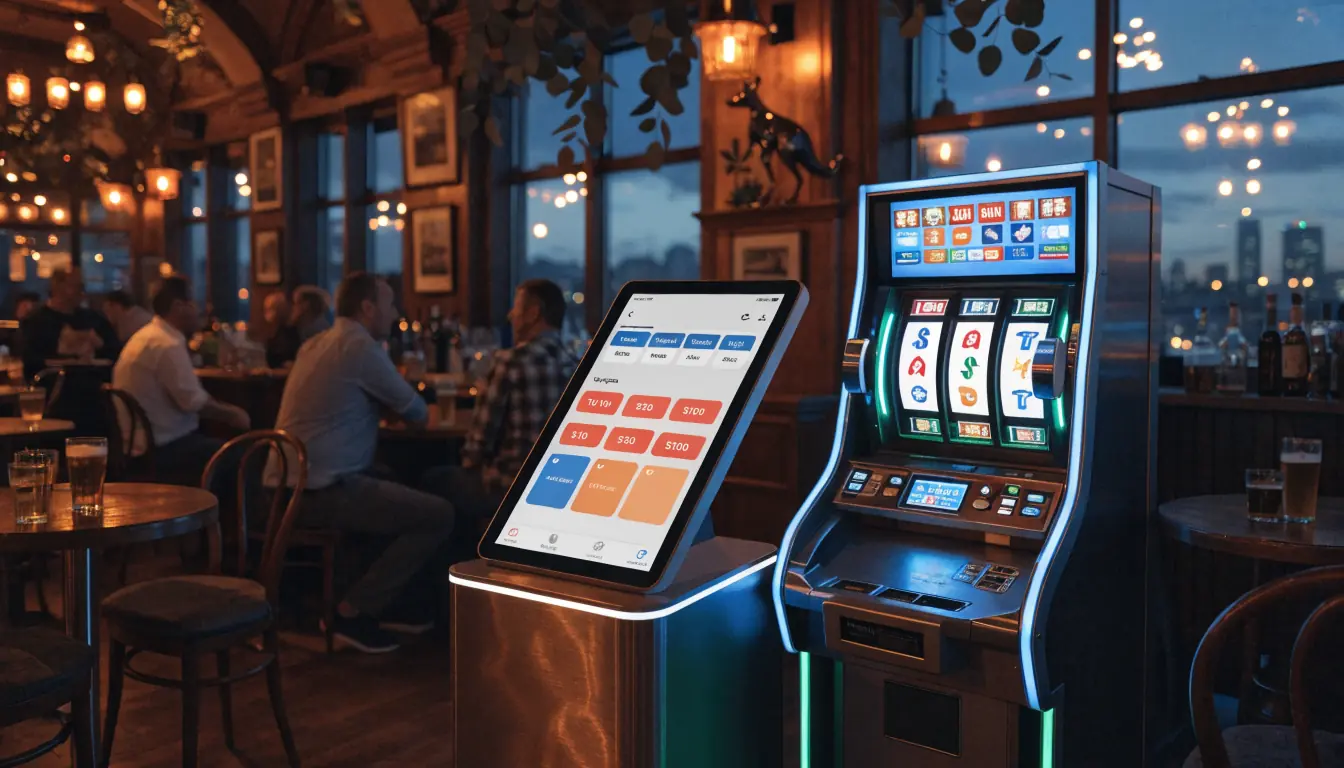
People ask me "what is Plinko casino" like it’s one specific place. It isn’t. It’s a game shape — a ball drops through pegs and lands in a slot — and a bunch of different operators bolt that shape onto whatever platform they’re running. Where you find it depends entirely on what kind of casino you’re looking at.
Brick-and-mortar venues. You won’t find a Plinko board sitting next to the pokies in an Australian pub or club. What you will find, if you go looking, is the physical mechanical version turning up occasionally as a novelty attraction or promotional gimmick at a land-based casino floor overseas. That’s a different animal from the digital game people are actually searching for.
Online casinos. This is where "the Plinko game online casinos" crowd actually lands. Offshore sites host it as an RNG title, sometimes under branded names like "Gods of Plinko" or similar variations. Here’s the part that gets glossed over: online casino games — slots, poker, blackjack, roulette, and yes, Plinko sits in that same bracket — are prohibited under the Interactive Gambling Act 2001. No domestically licensed real-money operator exists for Australians. Every site offering Plinko for cash to an Australian player is doing so from offshore, outside that licensing framework entirely.
Crypto-friendly platforms. Bitcoin and Ethereum Plinko sites are their own category, and they lean into the "provably fair" pitch hard. They’re still offshore casinos wearing a crypto wrapper — same legal position as any other online casino as far as the law that actually applies here is concerned.
Where that leaves you
The law targets the operators, not individual players — it’s not illegal for you personally to play at an offshore-licensed site. That’s the one bit of breathing room in an otherwise locked-down setup. But "not illegal for you" and "properly regulated" are two very different sentences, and I’ve watched people conflate them right up until a withdrawal goes sideways.
So when someone asks me about casinos with Plinko like they’re comparing loyalty programs at the local RSL, I have to reset the frame first. There’s no licensed Plinko casino operating domestically. Full stop. Everything real-money that exists for Australians sits offshore, whether it takes cards, crypto, or both.
Plinko Casino Reviews: What Players Say and What to Watch For
I’ve read more casino reviews than I’d like to admit, usually late at night after a session went sideways. Most of them blur together — same five adjectives, same "generous bonus" line, same star rating that never drops below four. If you’re hunting for something specific, like a Plinko Rush review or feedback on Plinko Verde or Plinko Deluxe, you’ll notice the same pattern: reviews written to sell you a click, not to tell you what actually happened when someone dropped a ball.
The genuinely useful reviews mention specifics — how the demo differs from real play, whether the drop felt rigged when the balance was low, how withdrawals actually went. The useless ones just repeat marketing copy with a rating slapped on top.
What’s worth checking before you trust a review
- Does it mention wagering requirements clearly, or bury them? Bonuses tied to Plinko almost always come with restrictions and expiry dates. A review that skips this entirely is either lazy or paid.
- Does it name the actual game variant? “Plinko” isn’t one game — reviews that lump every version together without saying which one they tested aren’t reviews, they’re filler.
- Does it mention where the operator is licensed? Australia has no domestic licensing body for this kind of game — ACMA regulates communications and media, not casino operators — so if a review claims local licensing, that’s your sign to close the tab.
- Is the language too clean? Real players complain. About slow withdrawals, about a bonus that vanished, about a support chat that went quiet. If every comment reads like a five-star testimonial, someone wrote it for a fee.
Read reviews the way you’d read a secondhand car listing. The gaps tell you more than the pitch does.
Understanding the Plinko Casino Landscape in Australia 2026
Zoom out for a second and here’s where things actually stand: there’s no Plinko casino Australia scene in the sense of licensed, local operators running the game. There can’t be. No domestic licence exists for online casino products, Plinko included, so what you’re looking at when you find a "plinko casino australia 2026" site is an offshore operator, full stop.
No Local Licence
There is no Australian‑licensed online casino that offers Plinko, meaning every site you find is operating under a foreign licence and outside Australian regulatory oversight.
What has changed is the packaging. Slot games remain the dominant category on Australian-facing online casino sites — locals call them pokies, online or off — and Plinko now rides alongside them as a hybrid: styled like a pokie, marketed like one, but running on a drop-and-multiplier mechanic instead of reels. That’s the shape of the landscape right now, not a new game so much as a new skin on familiar territory.
Regulation hasn’t moved to meet it. The Australian Communications and Media Authority oversees online gambling compliance in this country, and its job is enforcement against operators, not licensing of casino products like Plinko. There’s no register listing which sites are "approved" for it, because approval was never on the table.
So when people search for a casino plinko option in 2026, what they’re really finding is more offshore listings, better production values, and the same regulatory gap as always. The game got more popular. The legal ground under it didn’t move an inch.
Free Play and Demo Options: Trying Plinko Without Spending
Before I ever thought about wagering on Plinko, I ran it in demo mode for longer than I’d like to admit. No sign-up drama, no card details — just virtual funds and the board doing its thing. That’s the point of a demo: you get to watch how the ball actually falls, how the multipliers are laid out, without any money moving.
Most slot titles let you do this, and Plinko variants are no exception. What’s actually running under the hood is the same Random Number Generator that powers the real-money version. These RNGs get audited by independent testing agencies, so the drop pattern you’re watching in free play isn’t some dumbed-down simulation — it’s the same math, just with pretend chips.
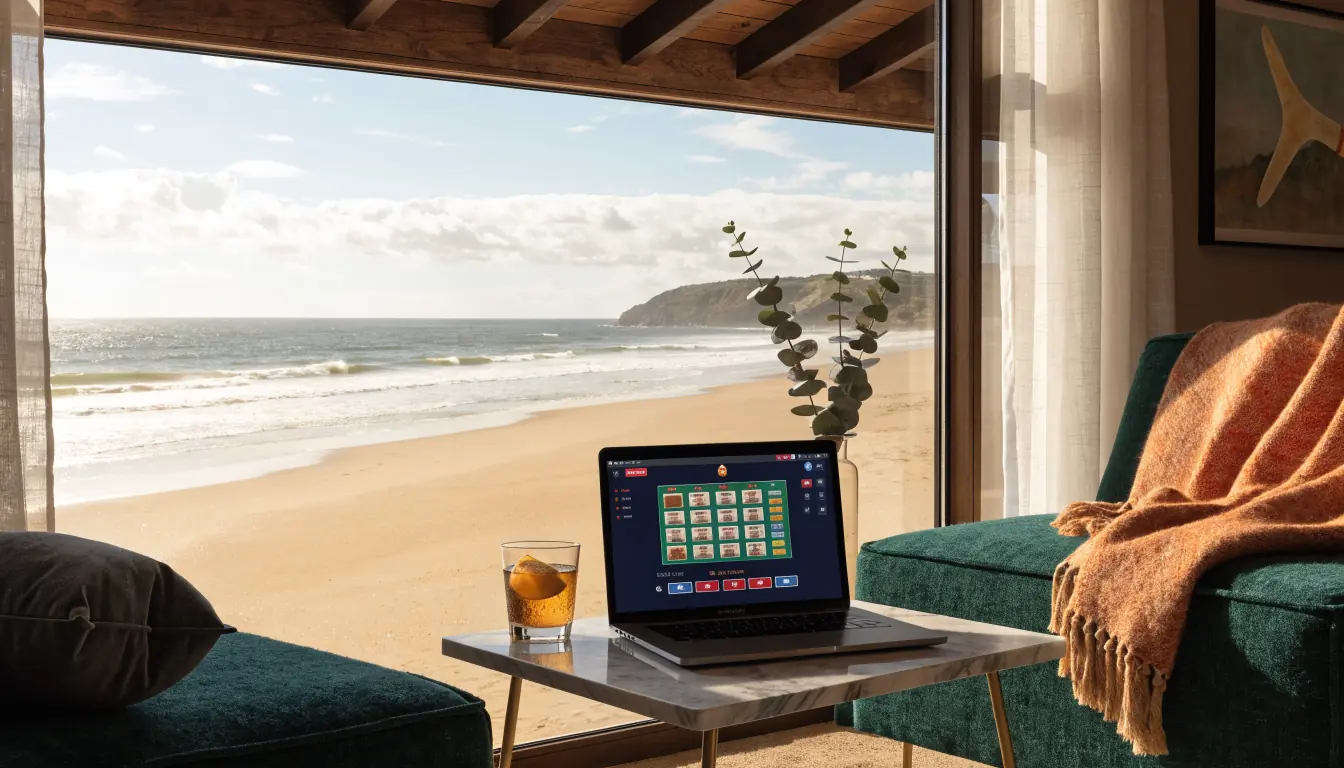
That matters more than people give it credit for. Watching a hundred drops in demo mode teaches you more about variance than any description on a review page ever could. You start noticing how often the ball lands in the middle versus the edges, and how quickly your "balance" swings either way.
Play it free first. Then decide if you actually want to risk anything.
Plinko and Cryptocurrency: Opportunities and Legal Gray Areas
I get asked about crypto Plinko a lot, usually by someone who’s already found a site running on Bitcoin or Ethereum and wants to know if it’s "safer" or somehow more legal because there’s no bank involved. It isn’t.
The law doesn’t care what currency moves through the platform. Online casino games — slots, poker, blackjack, roulette, and Plinko sits in that same bucket — are prohibited under the Interactive Gambling Act 2001, full stop. Swapping fiat for crypto doesn’t change which side of that line an operator sits on.
What crypto does change is the paper trail. Transactions settle without a bank statement showing up, which some players read as privacy and others read as a warning sign. Either way, there’s no domestically licensed real-money operator for Australians to fall back on if a crypto site disappears with your balance — because there isn’t one for any currency here.
Using crypto does not change the legal status of Plinko; it merely obscures the transaction trail, offering no extra protection if the offshore operator disappears.
If a site pitches itself as a "crypto casino" like that solves the legal question, it hasn’t.
Common Pitfalls and Bonus Traps When Playing Plinko
I’ve clicked "claim bonus" without reading a single line and paid for it later. That’s the biggest trap: the "free" money almost always comes with wagering requirements, restrictions on which games count, and an expiry date sitting quietly in the terms. Miss the deadline and the balance just disappears. You don’t get a warning email saying "hey, you’re about to lose this."
Age verification catches people out too, usually not because they’re lying about being under 18, but because they never expected to be asked for ID at all — then a withdrawal gets stuck until they send it.
My rule now: read the wagering terms before I touch the bonus, not after I’ve already burned through it. If a site keeps a "welcome offer" vague on restrictions and expiry, I treat that vagueness itself as the warning.
Are crypto casinos legal in Australia in 2026?
Under the Interactive Gambling Act 2001, online casino games, including those running on crypto, are prohibited from being offered to Australian residents. It is not illegal for you as a player to use offshore-licensed crypto casinos, as the law targets operators, not individuals.
What are the best online casinos in Australia for 2026?
There are no domestically licensed real-money online casino operators available to Australian players. You can access offshore-licensed platforms without breaking the law, but the Australian government does not regulate or endorse any specific casino sites.
What are the key limits on providing services to customers?
Operators are prohibited from providing online casino games, poker, and in-play betting to Australian residents under the Interactive Gambling Act 2001. You must be at least 18 years old and an Australian resident to participate in legal online gambling services like sports betting.